Case Studies & Research
Check out stories of the work we’ve done for a diverse range of properties. Plus, check out some of the evidence-based science that guides our approach to natural land restoration.
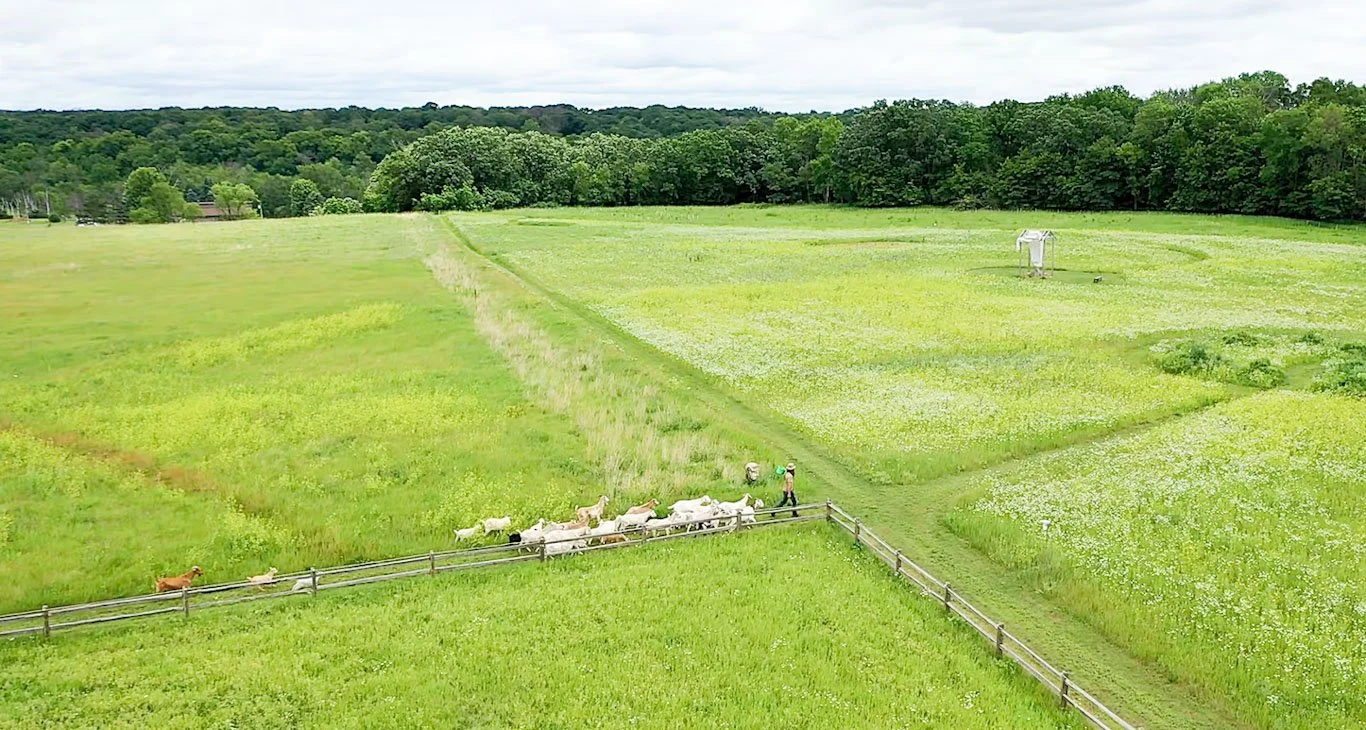
Restoring a Private Woodland on the St. Croix River Bluffs
Location: Osceola, Wisconsin
Summary: When the owners of a property on the bluffs above the St. Croix River decided they wanted a chemical-free approach to managing invasive brush, they turned to Diversity Landworks. Over three grazing seasons, a herd of 35 goats has worked through 50 to 100 acres per year — and the land is already responding. Native sedges and wildflowers are returning to the woodland floor.
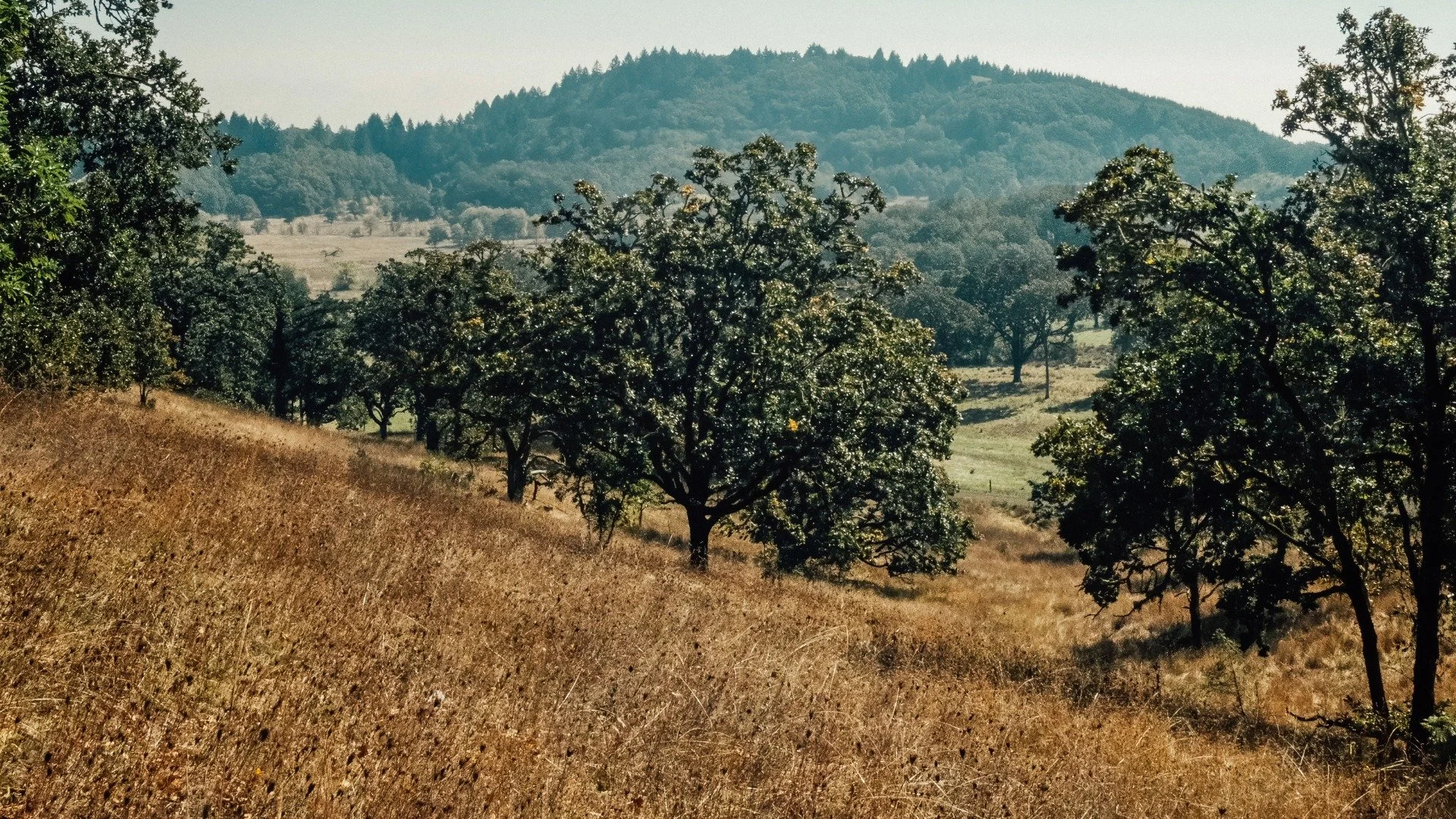
Oak Savanna Restoration at Choice Wildlife Management Area
Location: Mabel, Minnesota
Summary: The Nature Conservancy needed a way to restore a steeply sloped oak savanna in Fillmore County that had resisted years of conventional treatment. Diversity Landworks deployed a herd of 90 goats on the south-facing bluff, using carefully calibrated stocking rates and rotational grazing to break down the invasive layer — and restore the open conditions that oak savannas depend on.
Research
At Diversity Landworks, we pride ourselves on using a scientific, evidence-based approach to land restoration. Here is some of the research that guides our practices.
1. Marchetto, K.M., Heuschele, D.J., Larkin, D.J., & Wolf, T.M. (2020). Goat Digestion Leads to Low Survival and Viability of Common Buckthorn (Rhamnus cathartica) Seeds. Natural Areas Journal, 40(2), 150–154. University of Minnesota summary
One of the most common concerns about using goats for buckthorn control is whether they might spread seeds to new areas through their droppings. University of Minnesota researchers addressed this directly by feeding goats buckthorn berries and tracking seed survival through digestion. They found that only 2% of seeds passed through intact, and of those, only 11% were still capable of germinating — compared to a 63% germination rate for seeds that had never been eaten. The conclusion: goats are not spreading buckthorn. They are destroying it, seed by seed.
2. Nelson, S., et al. (2022). An Evaluation of Goat Browsing and Other Restoration Strategies in Buckthorn-Invaded Woodlands and Savannas. University of Minnesota / Minnesota Invasive Terrestrial Plants and Pests Center. MITPPC project page
This multi-year University of Minnesota field study examined goat browsing across eight woodland and savanna sites in Minnesota, tracking changes in buckthorn cover, native plant diversity, and overall vegetation response over one to three years following grazing. The study found that while buckthorn rebounds quickly after a single grazing event, repeated browsing over multiple seasons can meaningfully increase native plant diversity over time. The researchers concluded that goat browsing works best as one component of a broader, multi-pronged restoration strategy — a finding that aligns closely with how Diversity Landworks approaches every site.
3. Rathfon, R.A., Gibson, S.M., & Jenkins, M.A. (2021). Effects of Prescribed Grazing by Goats on Non-Native Invasive Shrubs and Native Plant Species in a Mixed-Hardwood Forest. Restoration Ecology, 29(4). Purdue Extension summary
In a five-year experiment at Purdue University's Southern Indiana Agricultural Center, researchers tested prescribed goat grazing as a method for controlling dense multiflora rose on steep terrain where prescribed fire and mechanical equipment were impractical. The results showed that goats significantly reduced invasive shrub cover and height while leaving native herbaceous plants largely intact. This study is notable as the first peer-reviewed publication to quantify the impact of prescribed grazing on invasive brush management in an eastern hardwood forest setting — and its terrain conditions closely mirror the steep bluff environments where Diversity Landworks regularly operates.
4. Harrington, J.A. & Kathol, E. (2009). Responses of Shrub Midstory and Herbaceous Layers to Managed Grazing and Fire in a North American Savanna (Oak Woodland) and Prairie Landscape. Restoration Ecology, 17(3), 449–457. Abstract via Wiley
This study compared the effects of managed grazing and prescribed fire on degraded oak savanna and tallgrass prairie in the Upper Midwest — the same ecosystem types that define much of Diversity Landworks' service area. The researchers found that managed grazing reduced total shrub stem density by 44% in savanna sites, while causing no significant harm to native herbaceous vegetation. The study is particularly relevant because it examined the interaction between grazing and fire as complementary restoration tools, supporting the integrated approach that Diversity Landworks uses — goats to open the canopy, fire to maintain it.
5. Yantes, A.M. et al. (2025). Targeted Cattle Grazing for Shrub Control in Woody-Encroached Oak Savannas. Restoration Ecology. Full article via Wiley
This University of Minnesota dissertation-based study evaluated a full gradient of oak savanna restoration approaches — no management, tree thinning, thinning combined with burning, and thinning combined with burning and grazing — at Sherburne National Wildlife Refuge in Minnesota. The research confirmed that reintroducing multiple disturbances, including grazing, produces the plant community outcomes most consistent with historic oak savanna conditions. It also found that burning alone, without grazing, can paradoxically increase shrub density over time — underscoring why sustained grazing pressure is a critical part of long-term savanna restoration, not just an add-on.