Our History
The History of Diversity Landworks
From Prairie Roots to Regional Leaders in Ecological Restoration
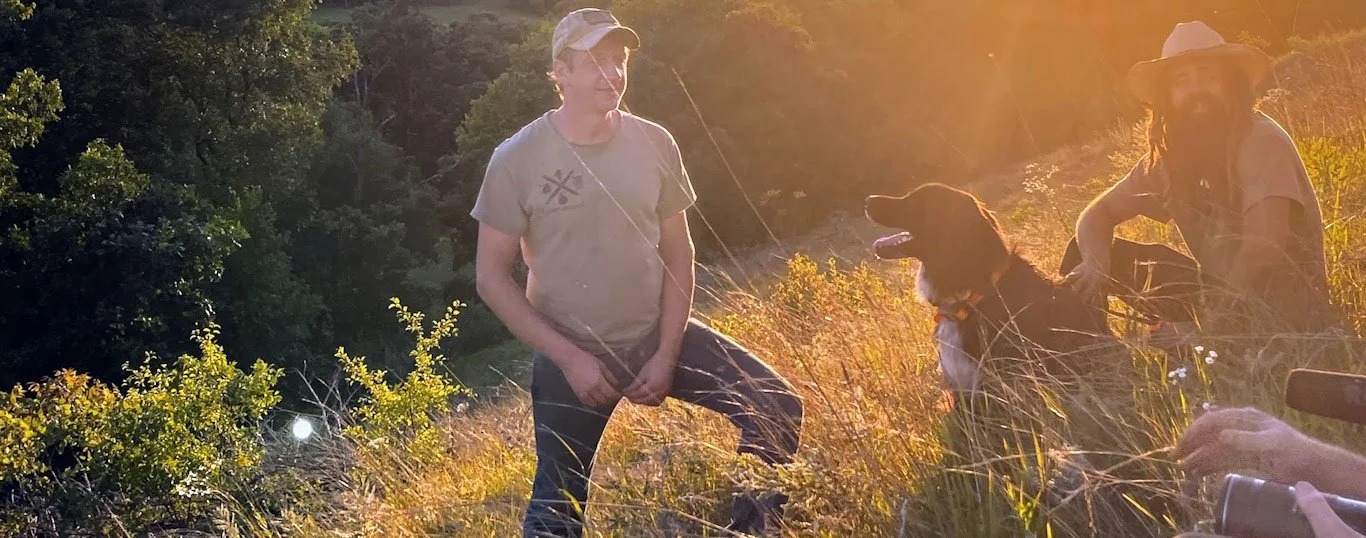
While other ten-year-olds attended soccer practice, Kyle Johnson spent his childhood burning prairies and planting oaks on his family's remnant prairie land in central Iowa—one of the rare parcels that escaped the plow. That early immersion in ecological restoration shaped everything that followed.
After earning a degree at the University of St. Thomas in St. Paul, Kyle found himself in the Driftless region of southeastern Minnesota, back to the work he loved: restoring native landscapes. But after many full days of work, only small acreages were impacted. The math was discouraging. If ecological restoration was going to happen at meaningful scale, something had to change.
In 2013, Kyle and his friend Tim Taylor founded Diversity Landworks with a bold experiment: they bought twenty goats and started testing whether prescribed grazing could control invasive species more effectively than manual labor and chemicals. They were entering uncharted territory—Diversity Landworks became the first company in Minnesota to implement prescribed goat browsing.
The Minnesota DNR's Non-Game Wildlife division quickly recognized the potential and began placing goats on state-managed sites. Over the following decade, Kyle and his team developed comprehensive best management practices through constant adaptation and experimentation. Every site presented unique challenges. Every season brought different conditions. Success required an extraordinarily adaptive approach.
Today, Diversity Landworks operates across the Mississippi River corridor, serving southeastern Minnesota, western Wisconsin, and northeast Iowa. The company now manages approximately 1,300 goats grazing 2,000 to 3,000 acres of afforested brush land annually. Beyond prescribed grazing, the company offers forestry mowing, grapple work, prairie management, and prescribed fire services—everything needed for comprehensive ecosystem restoration.
The initial question—how to kill buckthorn more effectively than herbicide—has evolved into something larger: creating functional landscapes full of biodiversity and resilience. Working primarily with nonprofits, conservation easements, county organizations, tribal entities, and federal agencies like the U.S. Fish and Wildlife Service, Diversity Landworks continues pursuing restoration at the scale our degraded landscapes require.
See Us in the Field
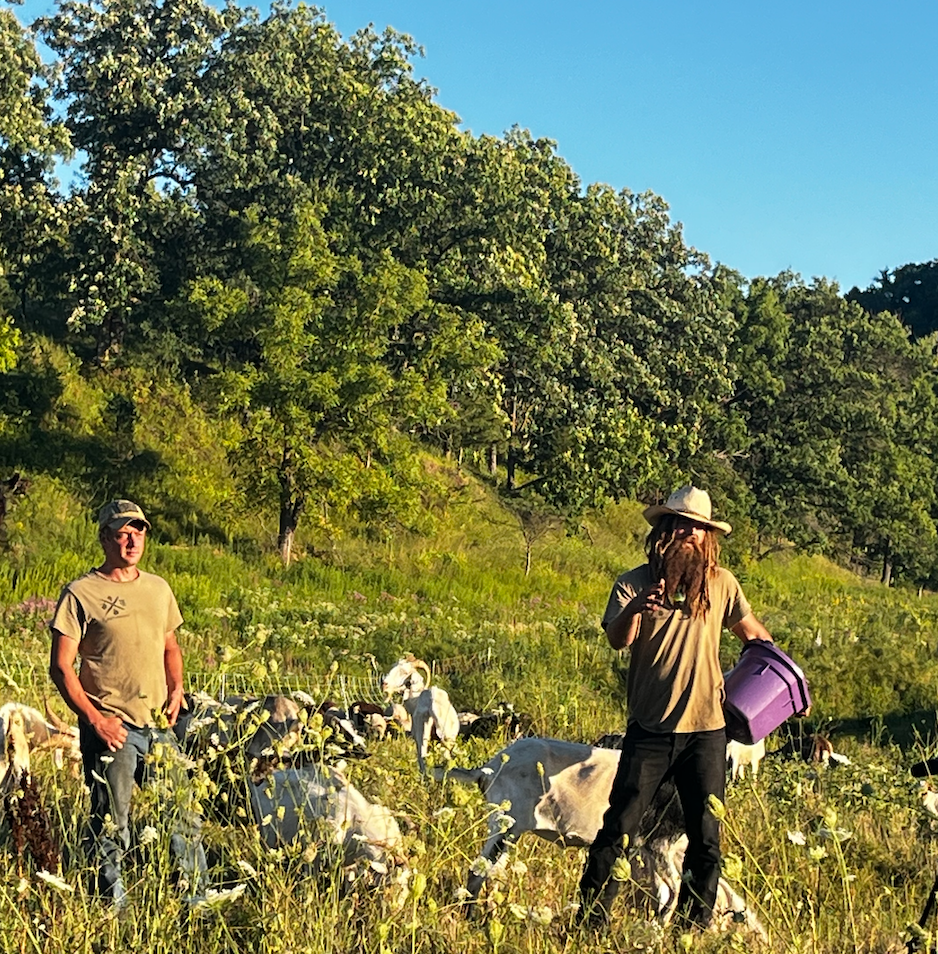
Watch Kyle and Tim in the field, where they explain how their process mimics nature’s age-old methods for maintaining ecological balance.