Understanding your land: our ecological assessment process
Before we bring our goats to your property, we take time to truly understand your land. Every landscape tells a story, and our assessment ensures we develop the right strategy for your specific site.
What We Look For
When we visit your property, we’re reading the landscape. We identify which native species are struggling and which invasive plants have taken over.
We map the terrain—steep hillsides, south-facing slopes, wetland edges—because each area requires different stocking rates and timing. Most importantly, we assess the root cause of your vegetation problems, not just the symptoms.
The Questions We Answer
What native ecology belongs here? The Mississippi River corridor has distinct natural communities—oak savanna, bluff prairie, bottomland forest. We determine which community your land naturally supports so we can work with nature, not against it.
Which invasive species are present? Buckthorn, wild parsnip, multiflora rose—each requires specific timing and intensity of grazing. We identify every problem plant and develop a targeted approach.
What's the realistic timeline? Ecological degradation happened over 100-150 years. We're honest about restoration timelines because working with nature means respecting nature's pace. Some properties show improvement after one season. Others need three to five years of strategic grazing.
Why Assessment Matters
Most brush management services just cut and spray—treating the symptom, not the cause. Invasive species filled the void left when we removed grazing animals and fire from our landscapes. Without addressing that imbalance, you're fighting the same battle every year.
Our assessment reveals why your land is overgrown and how prescribed grazing can reverse that process. We've developed these practices through over a decade of work on hundreds of sites, from small urban lots to hundred-acre rural properties.
What You Receive
After our site visit, you'll understand your land in a new way. We explain what we've found in plain language and discuss realistic timelines and outcomes. If prescribed grazing isn't the right fit, we'll tell you honestly.
For projects we take on, we develop a customized management plan considering your goals, budget, and timeline. We determine the right herd size and identify the optimal season and duration for maximum impact.
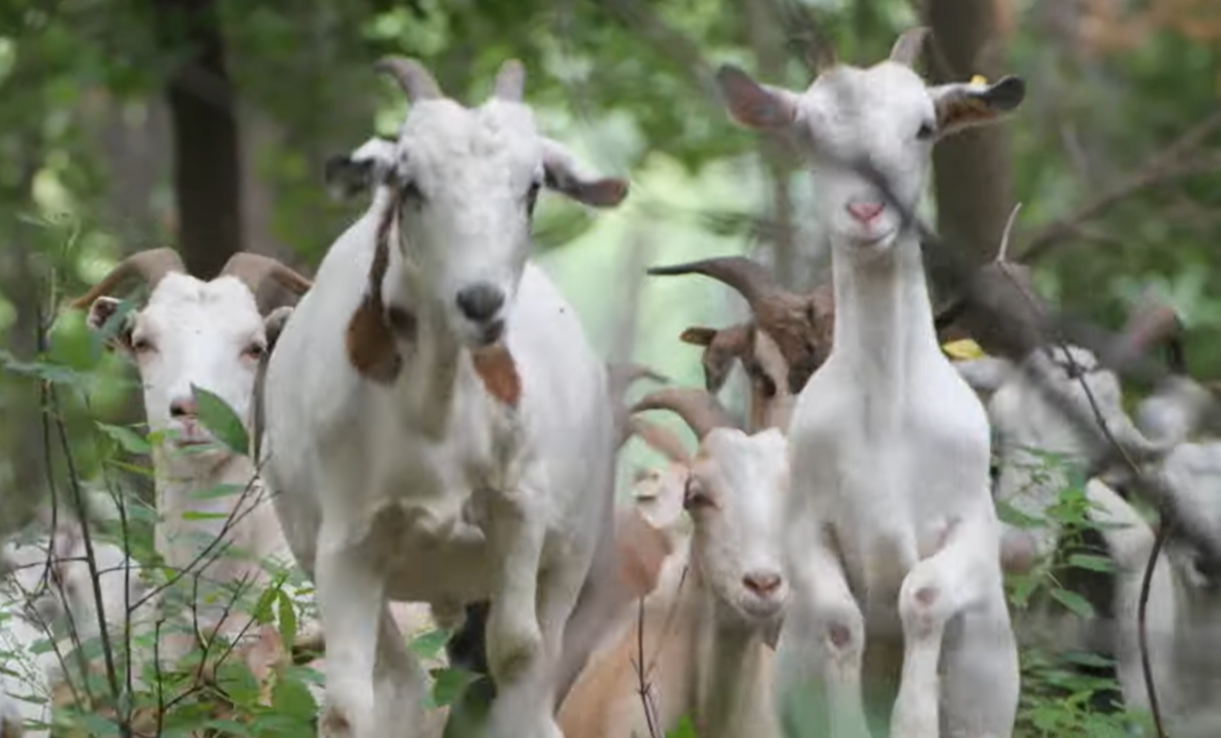
The Results
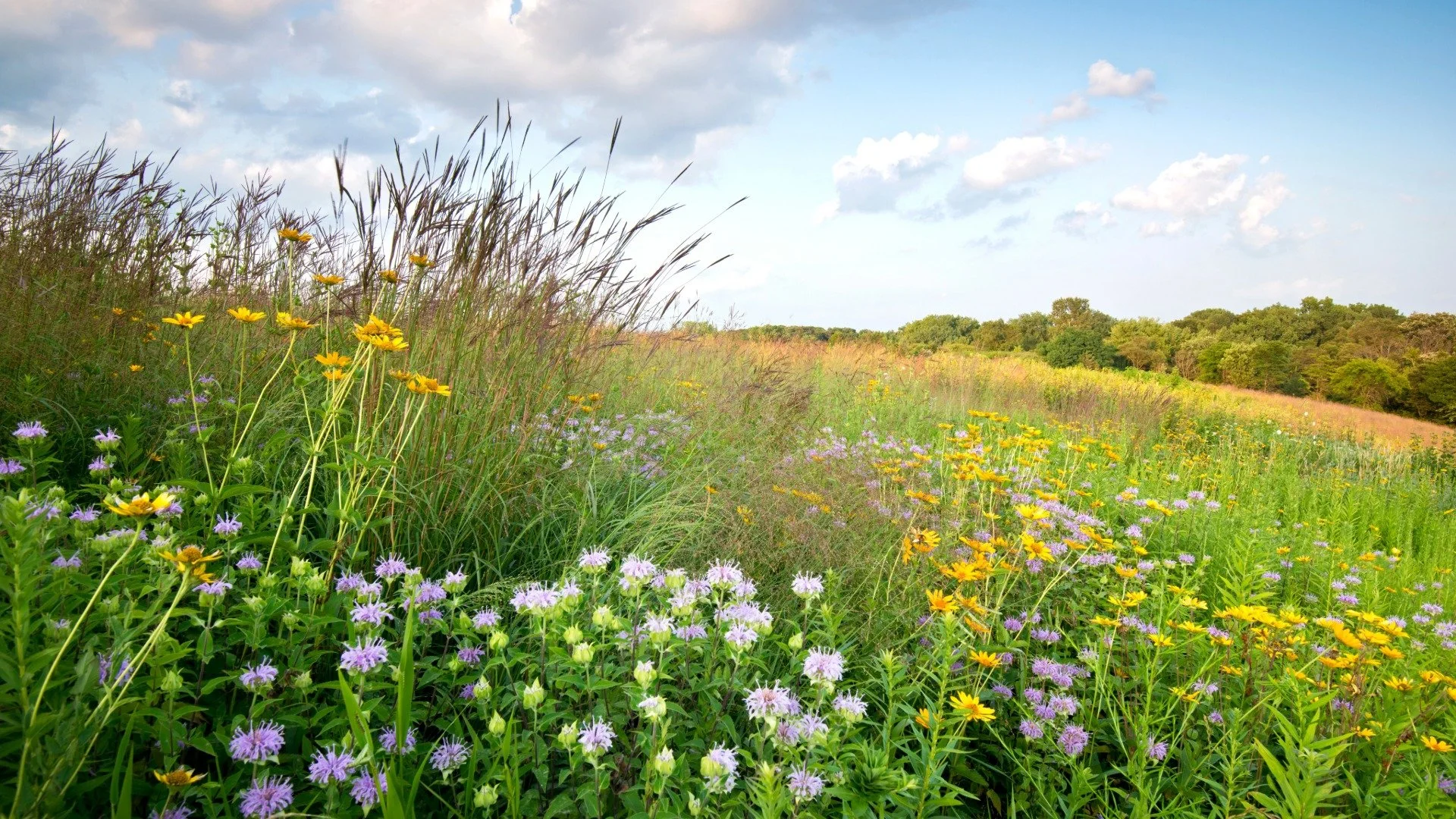
Once the woody invasive layer is controlled, native sedges and wildflowers return. Oaks that were struggling in deep shade produce acorns again. The life-supporting capacity of the land increases year after year.
We've accomplished this on properties throughout southeastern Minnesota, the Twin Cities metro, and western Wisconsin. And it starts with understanding your land.
Ready to learn what’s possible for your property? Contact us to schedule an ecological assessment.
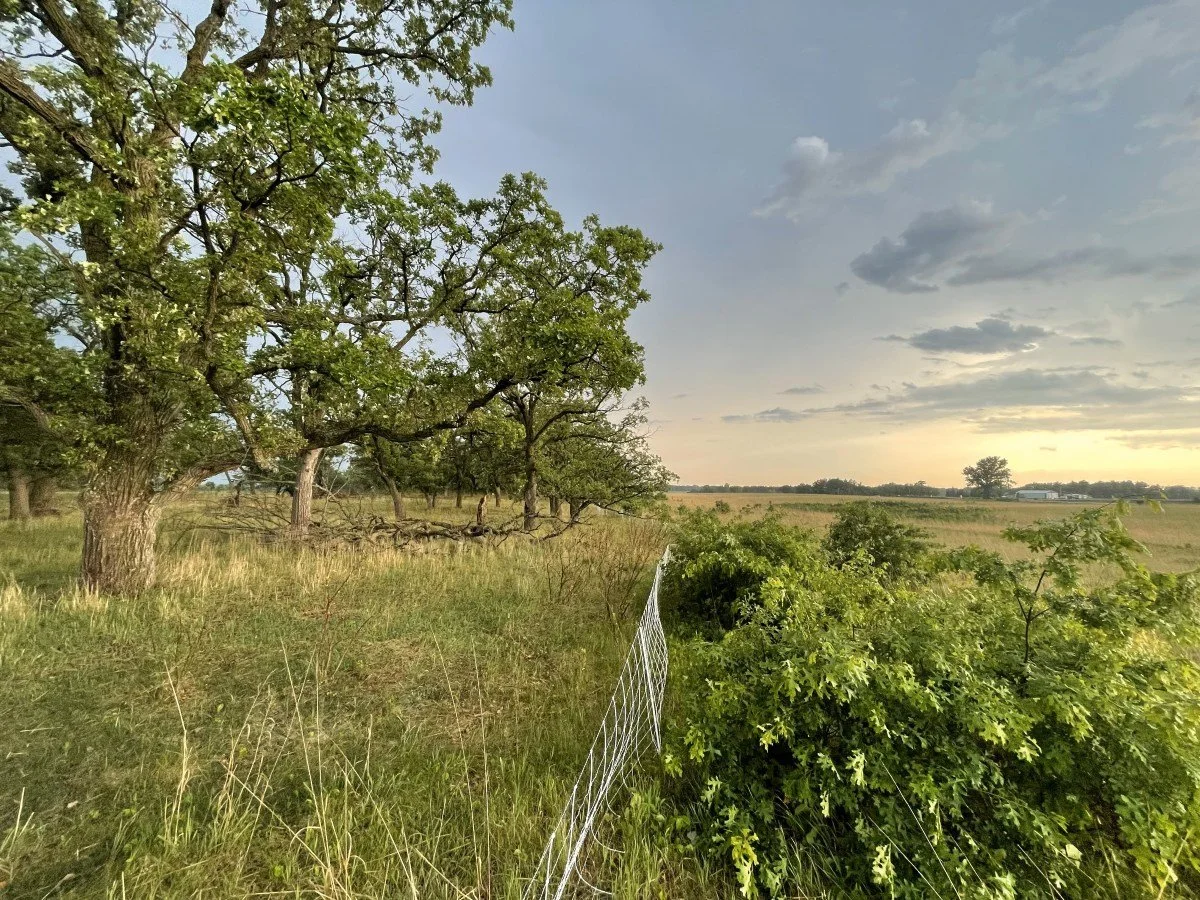
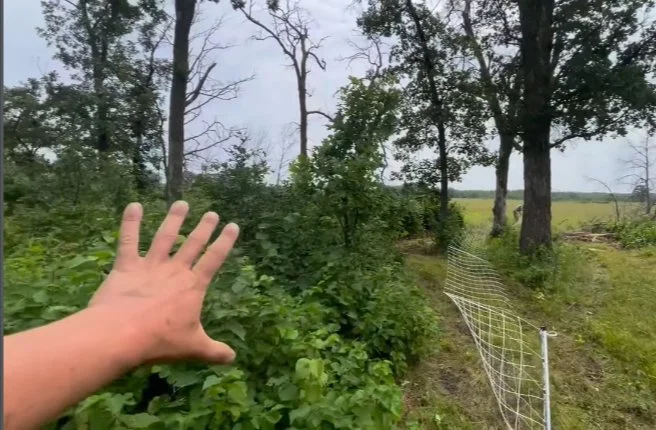
Above: The land on the left side after grazing; on the right side, ungrazed.
Contact Us
Ready to begin a conversation? Provide some basic information by filling out a short form, or if you prefer, you can contact us by email or phone. Please allow up to one business day for us to respond.
507-556-4420