How It Works:
An overview of our approach
Restoring native ecosystems requires the right tools at the right time. At Diversity Landworks, we mimic the natural processes that shaped the Midwestern landscape for millennia, combining multiple techniques to bring your property back into balance. Here's how we work with your land.
Ecological Assessment
Before any work begins, we visit your property to read the landscape. We identify native species, map invasive plants, assess terrain, and determine which natural community your land should support—whether oak savanna, bluff prairie, or woodland edge.
Every project starts here. The assessment reveals why your land is overgrown and helps us develop a customized management plan with realistic timelines and appropriate techniques.
Prescribed Grazing
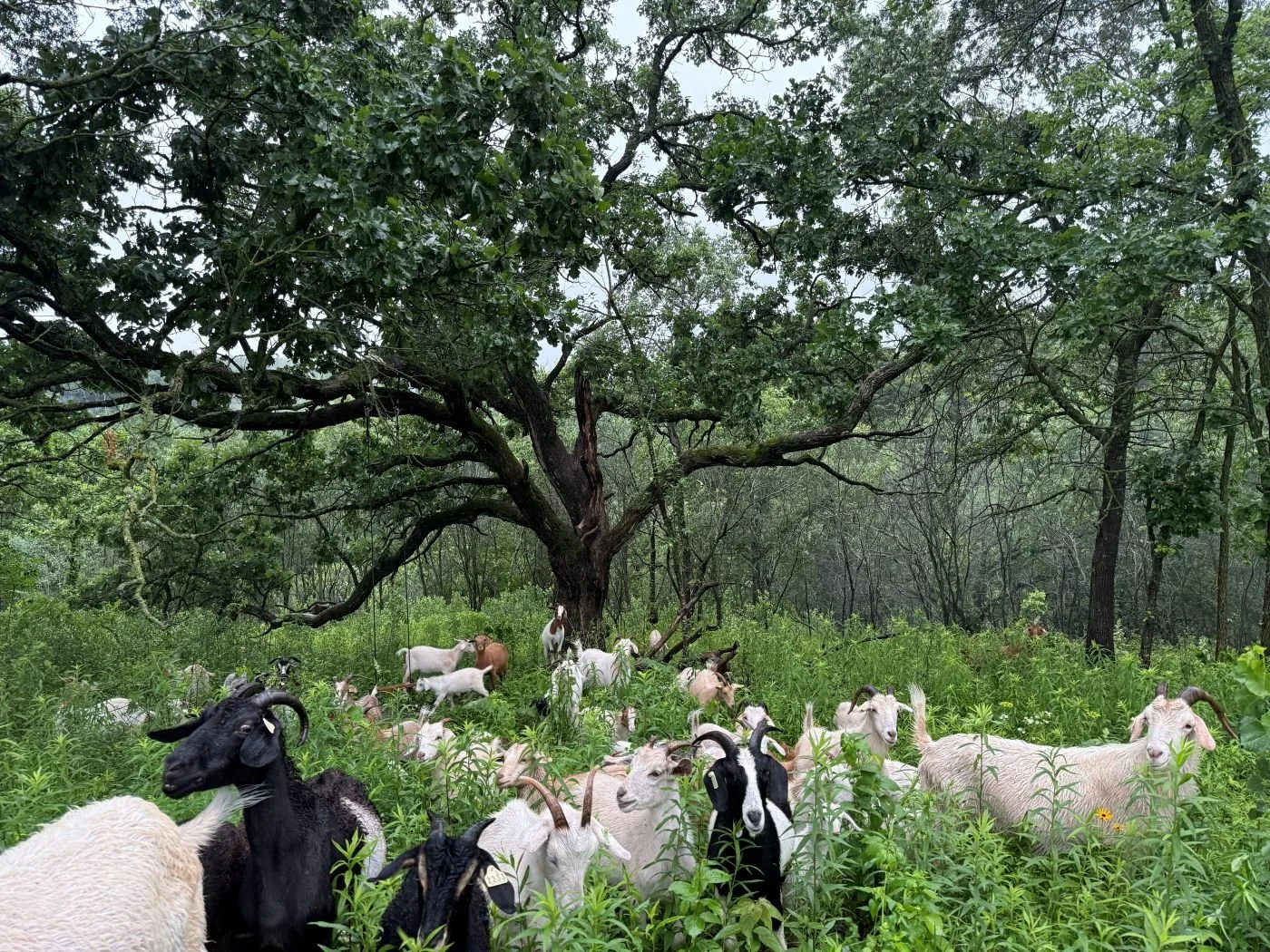
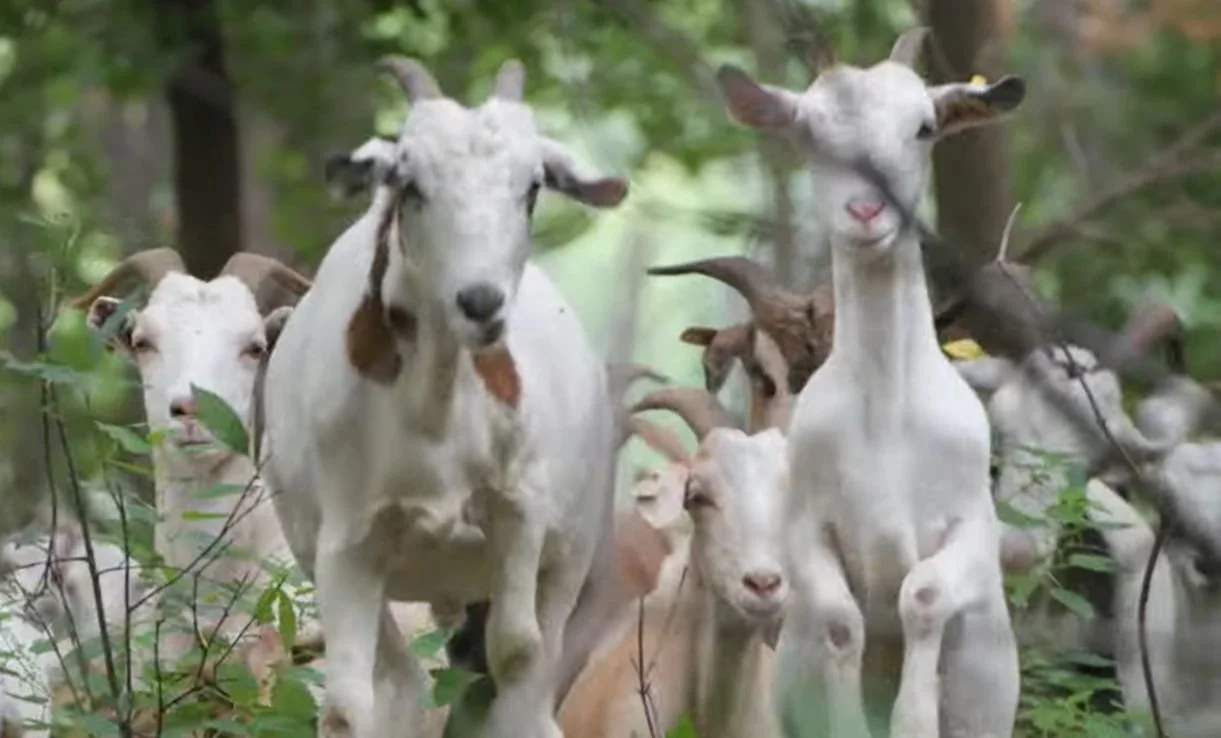
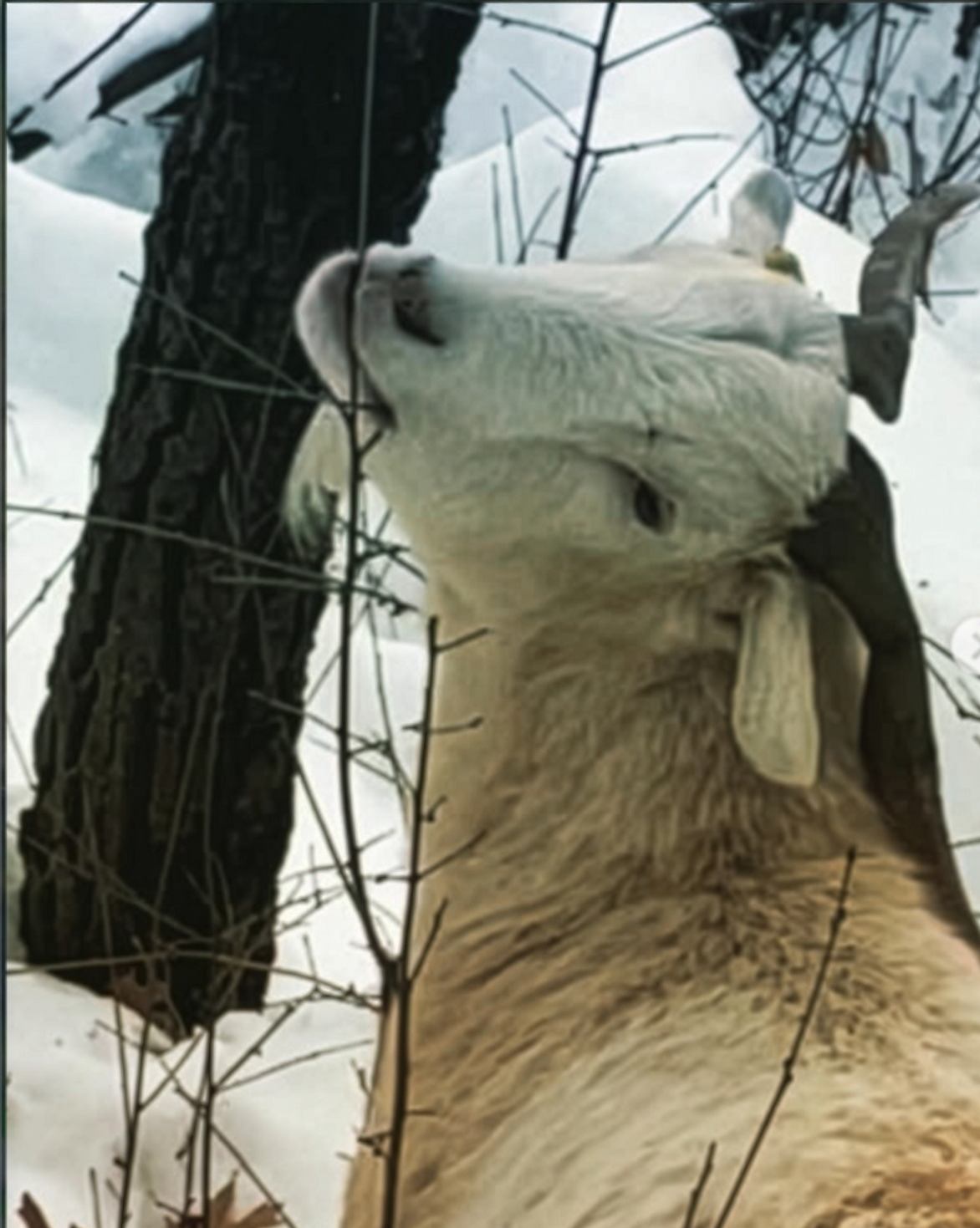
We bring carefully selected herds of goats to your property to target invasive species like buckthorn, wild parsnip, and multiflora rose. The goats eat from the top down, forcing plants to use root reserves to regrow. Repeated grazing over multiple seasons depletes these reserves and eventually kills the target plants, allowing native species to return.
Prescribed grazing excels at controlling woody invasives on terrain that's difficult to access with machinery—steep hillsides, wetland edges, and areas where you want a chemical-free approach. It's ideal for properties where you want ongoing, low-impact management that works with nature's timeline. Depending on the severity of invasion, grazing may be the primary technique or used in combination with other methods.
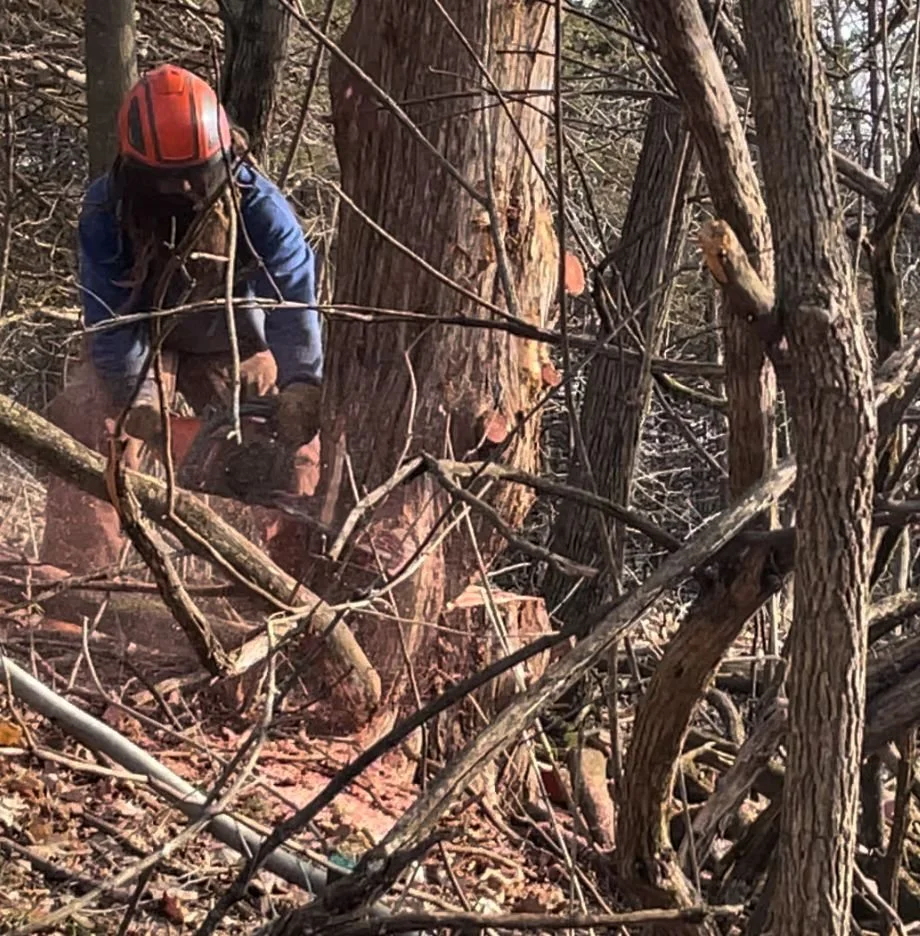
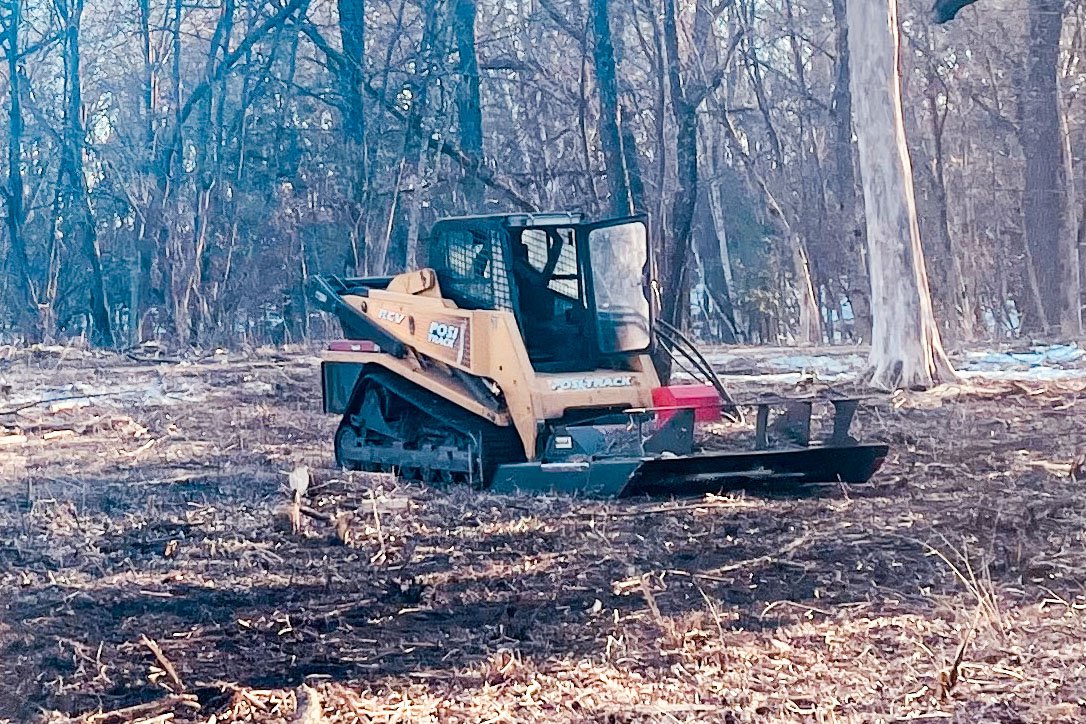
Forestry Mowing and Heavy Mechanical removal
We use specialized equipment to cut and remove heavy brush, small trees, and accumulated woody debris. Forestry mowers can handle thick stands of invasives, yet we don’t like to leave a mess. Conventional forestry “mulching” deposits a thick layer of woody material back onto the land. This layer prohibits native plant recovery, is an obstacle for future prescribed fire, and leaches unwanted nutrients into the soil, fertilizing buckthorn. We prefer to clear and pile material for burning or removal.
Mechanical work provides immediate, dramatic results when invasive species are extremely dense or when you need quick clearance for access, views, or fire breaks. It's particularly effective for initial clearing on sites with decades of woody growth, preparing the way for prescribed grazing or burns to maintain the progress. We often combine mowing with grazing—machines knock down the heavy growth, then goats keep it from returning.
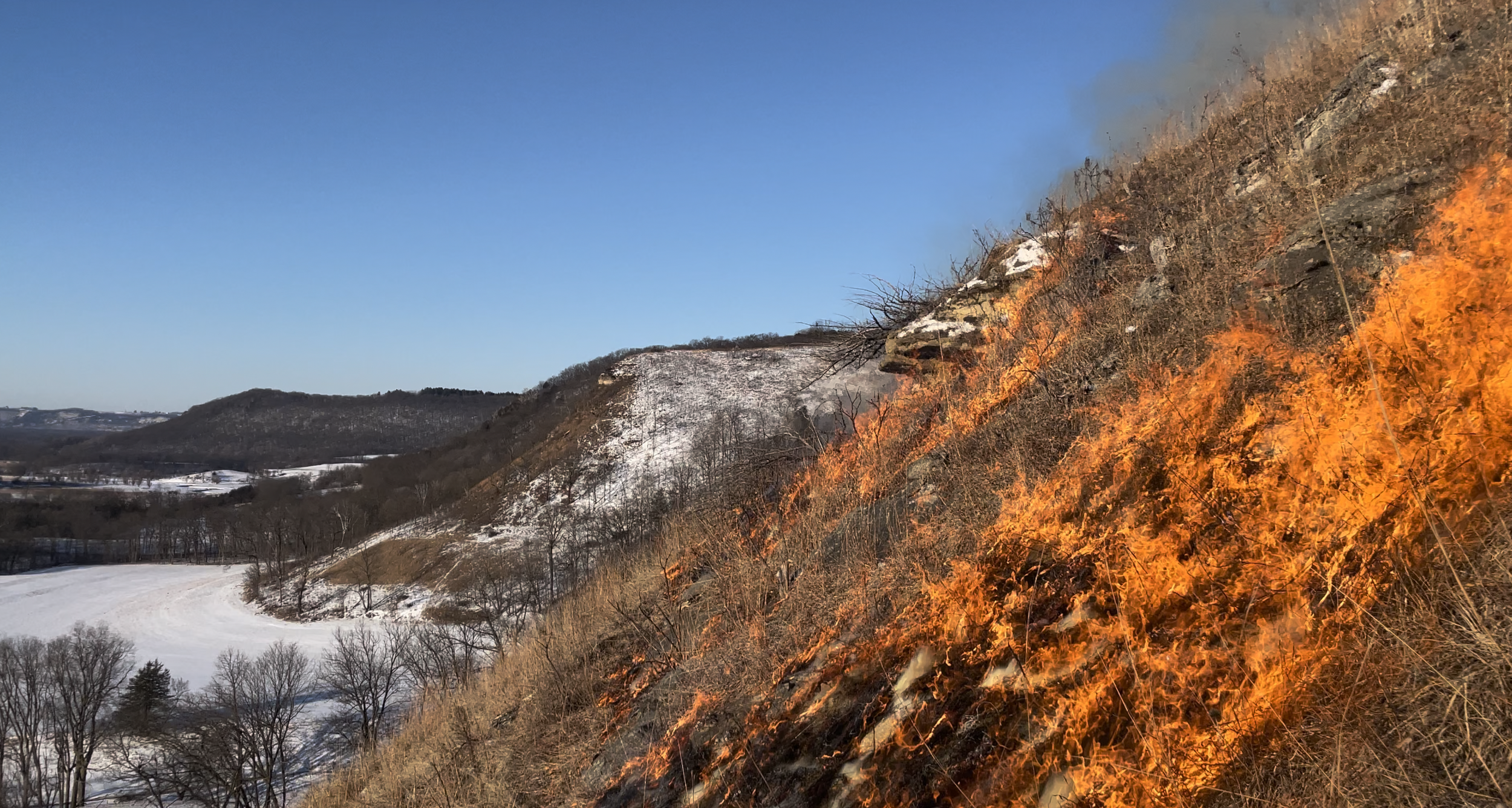
Prescribed FIRE
Controlled fire applied during specific conditions to mimic the natural fires that shaped Midwestern landscapes for millennia. Fire clears accumulated thatch, stimulates native prairie plants and oak regeneration, controls woody invasives, and releases nutrients back into the soil.
Prescribed burns are essential for maintaining oak savanna and prairie ecosystems once invasives are under control. Fire works where you want to encourage fire-adapted native species and discourage shade-tolerant invasives. Burns require specific weather conditions, trained personnel, and proper permits—we handle all of this. They're most effective when incorporated into a multi-year rotation with grazing and selective mowing.
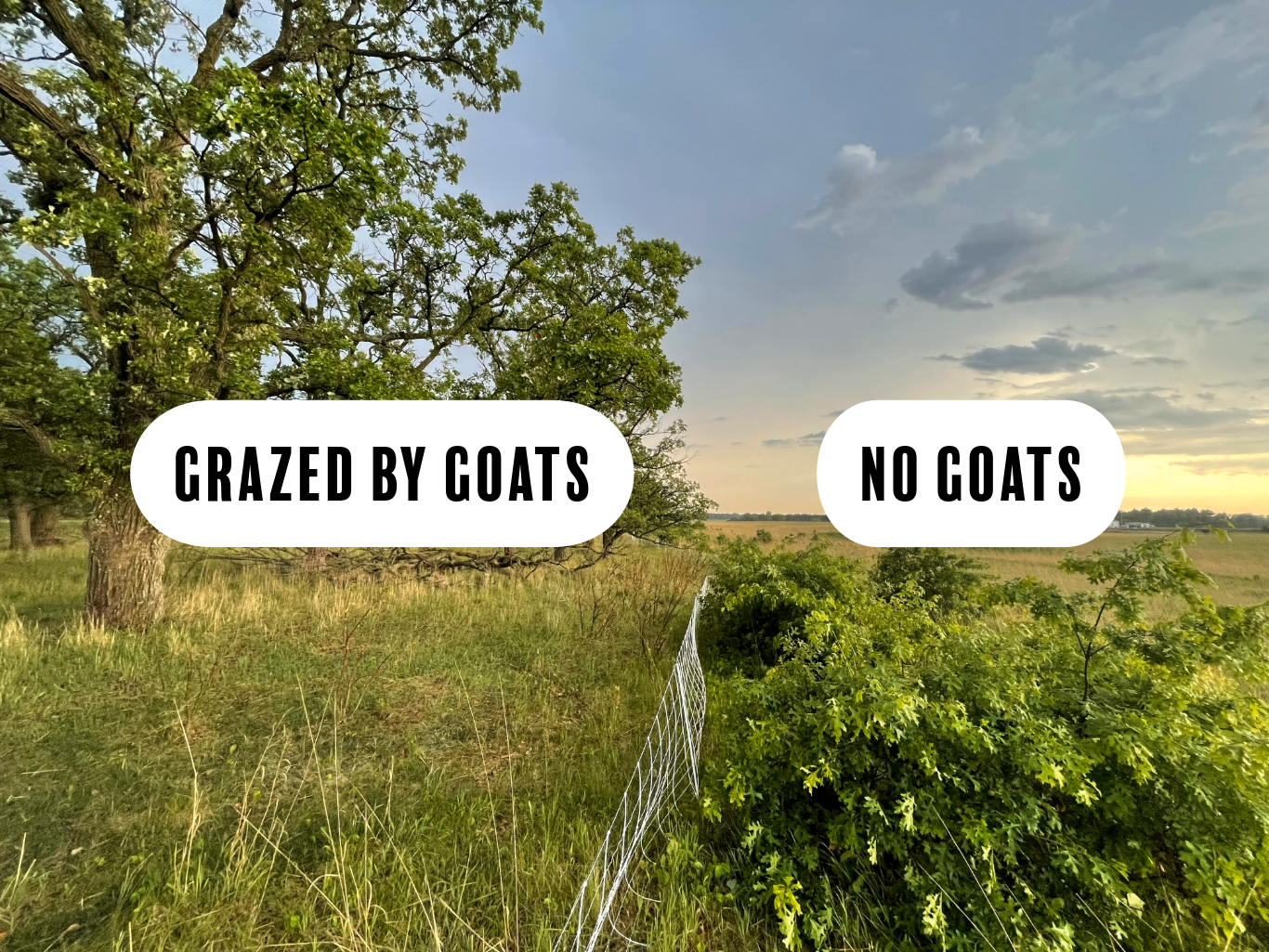
Above: Grazing (left) vs. no grazing (right).
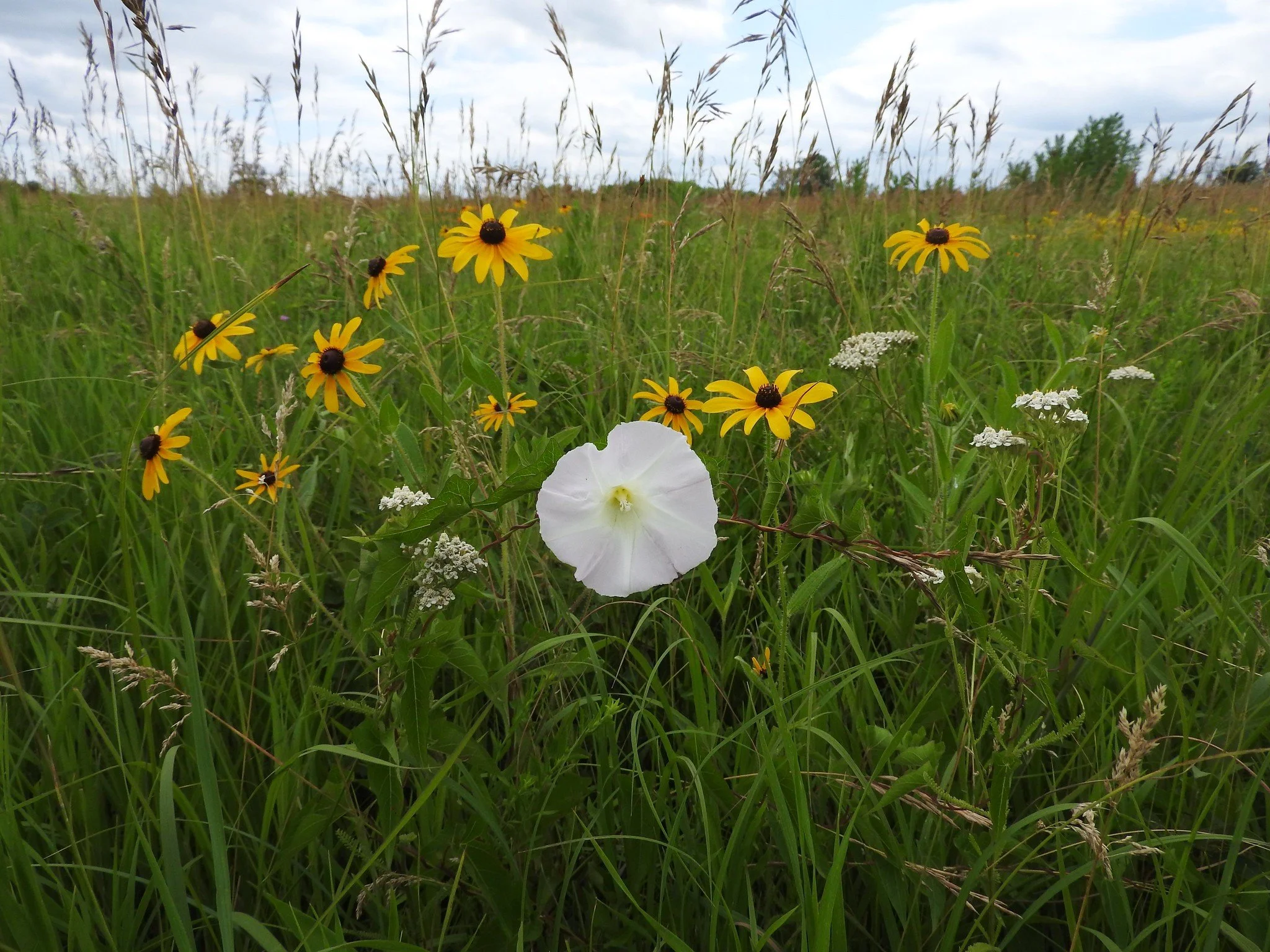
The Right Plan for Your Land
Most properties benefit from a combination of these techniques. We might use forestry mowing for initial heavy clearing, follow with prescribed grazing over several seasons to prevent regrowth, and introduce periodic burns to maintain the native plant community long-term.
For thousands of years, our landscapes were managed by grazing animals and fire. By bringing these processes back—adapted to modern contexts and regulations—we can restore the ecological balance your land has been missing.
Ready to discuss which approach is right for your property? Contact us for an ecological assessment.
See Us in the Field
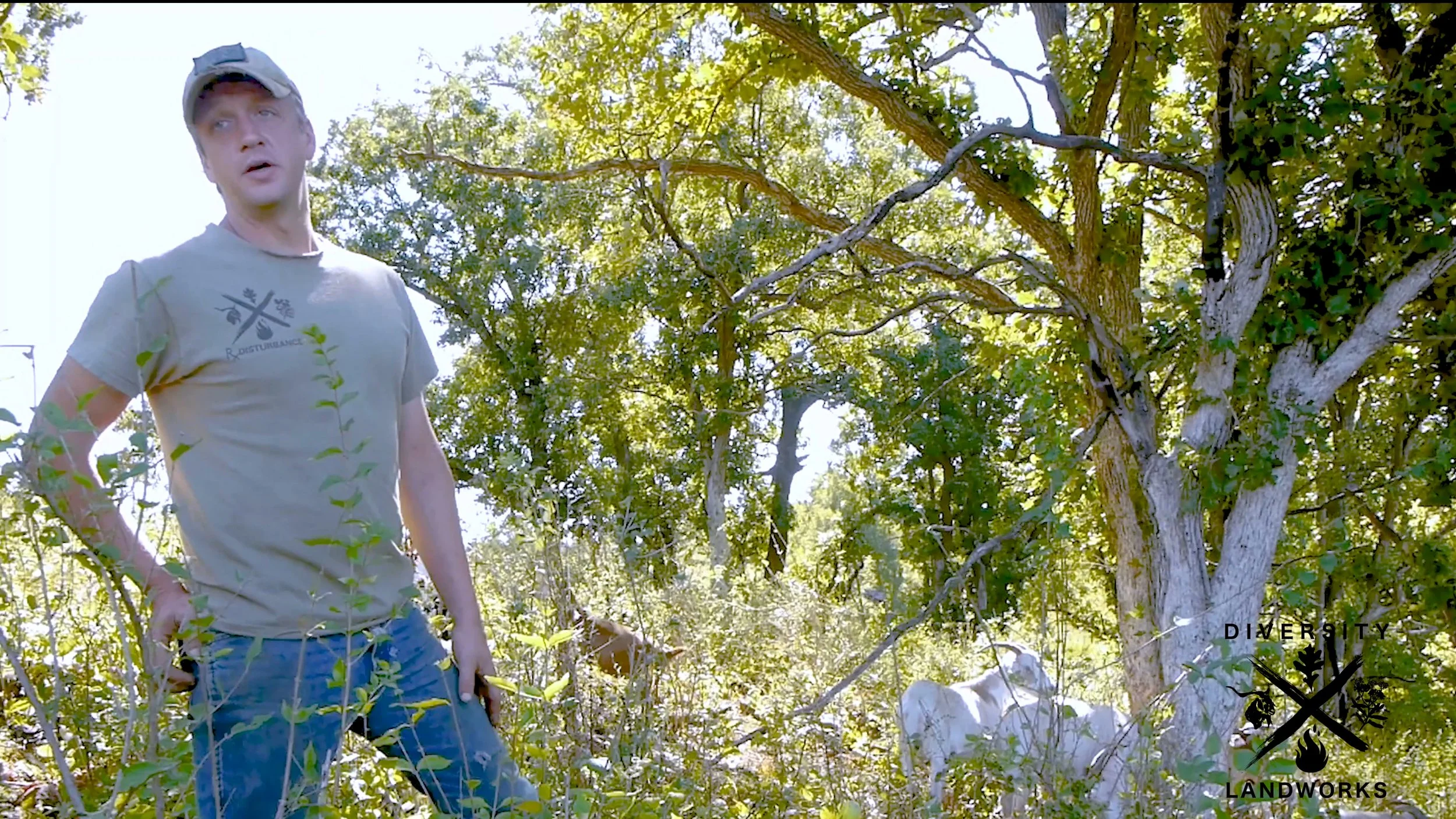
Watch Kyle and Tim in the field, where they explain how their process mimics nature’s age-old methods for maintaining ecological balance.
before & after grazing
See what a difference prescribed grazing can make!
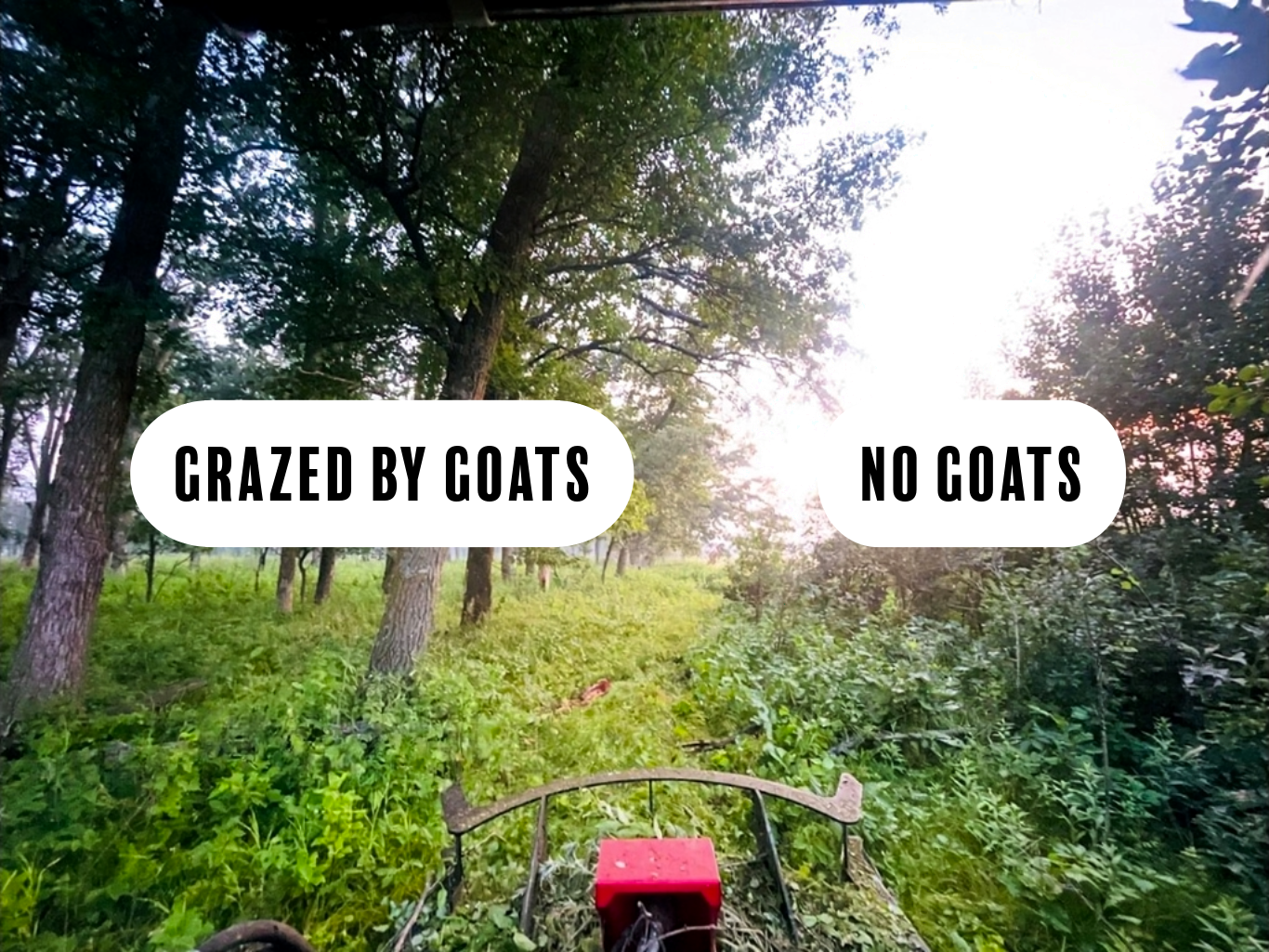
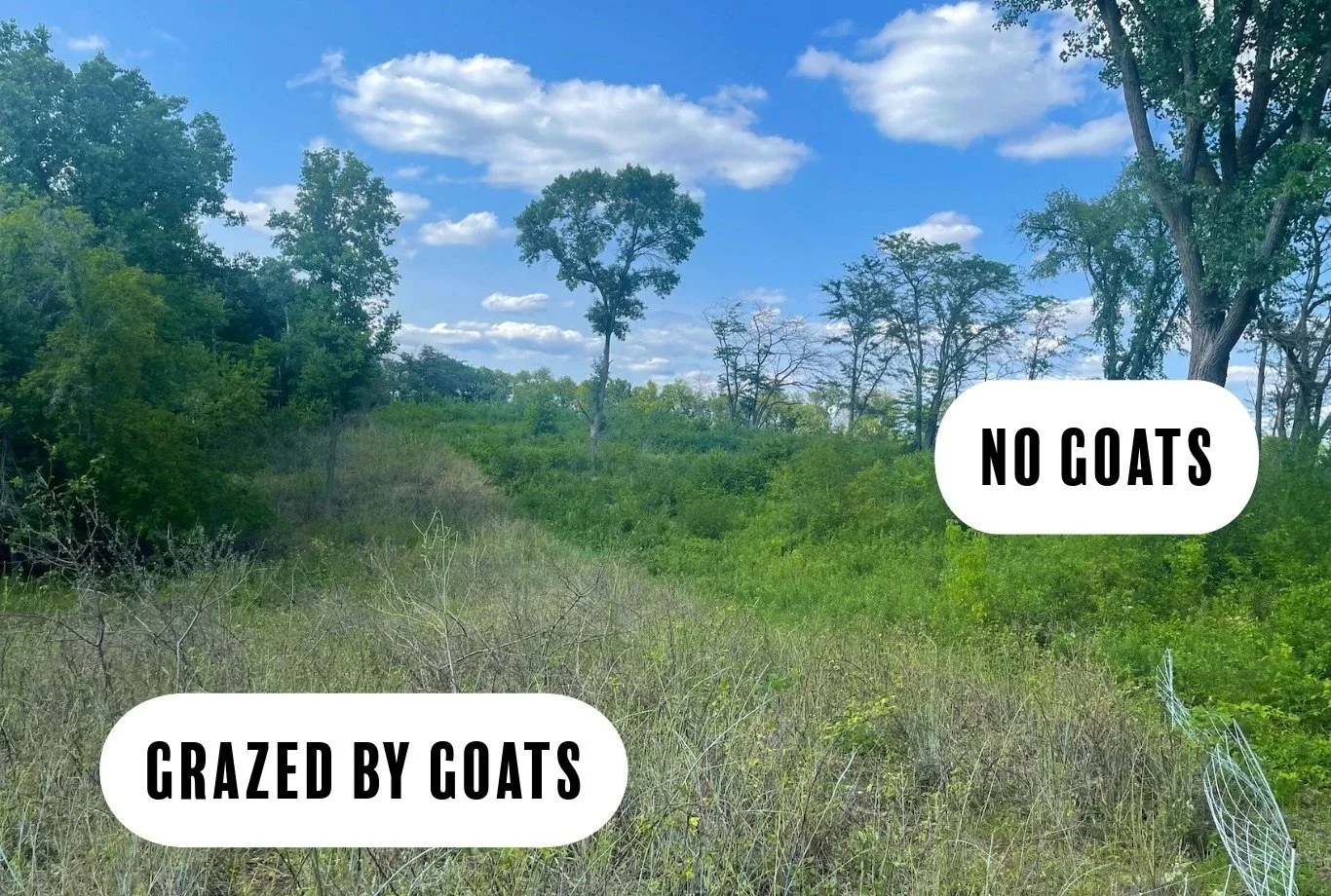
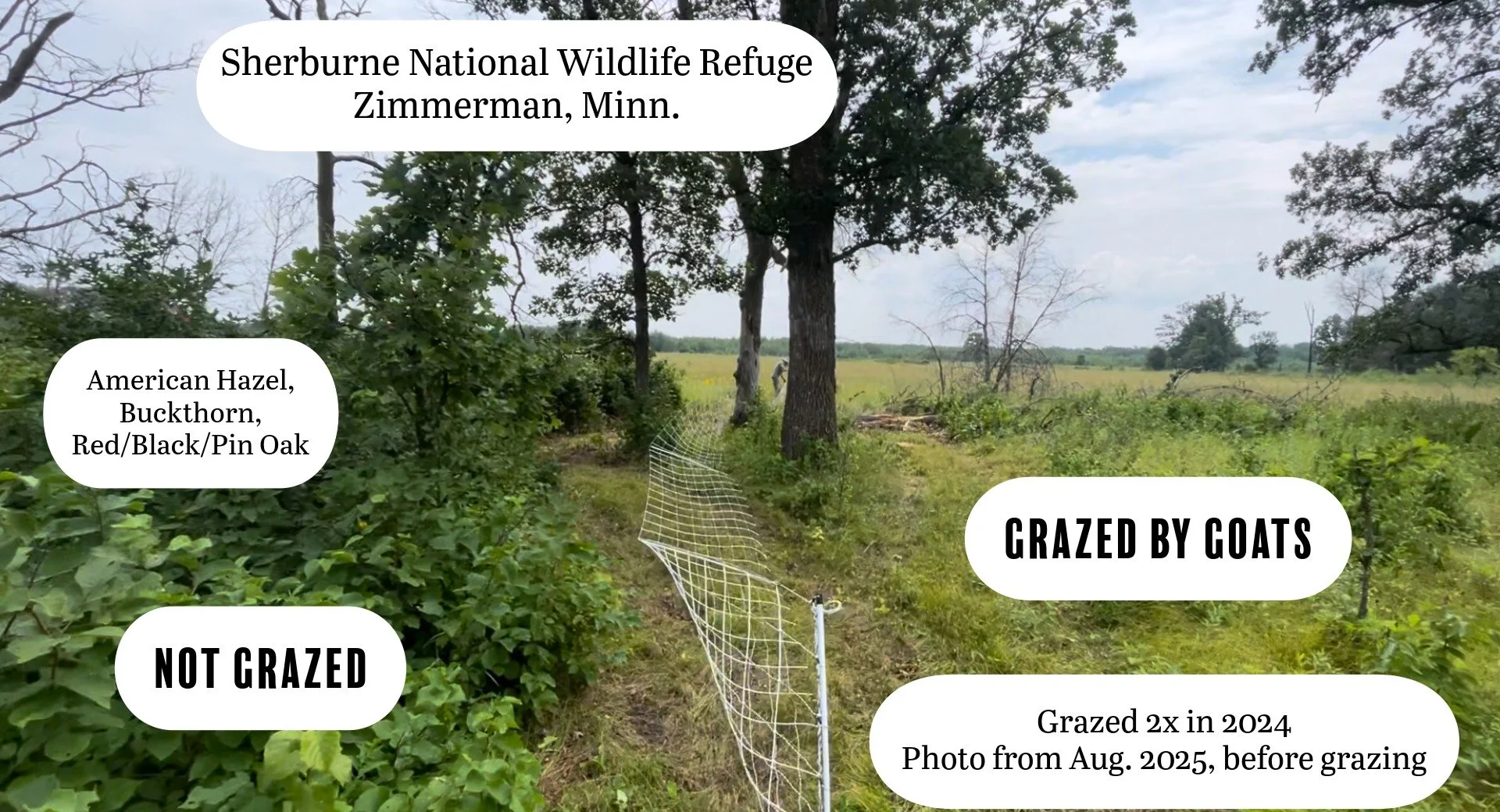
This video shows the effects of prescribed grazing with a comparison between grazed forest land and ungrazed forest.