Natural Buckthorn and Invasive Species Control in Southeast Minnesota
The Invasive Species Challenge in Southeast Minnesota
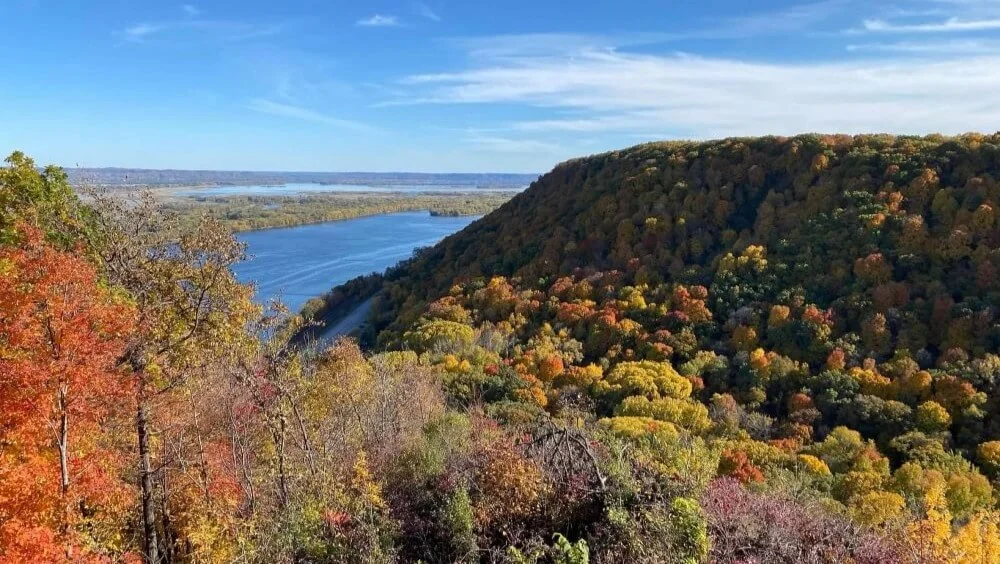
Southeast Minnesota is one of the most ecologically remarkable corners of the Midwest. The Driftless Area’s rugged limestone bluffs, oak savannas, spring-fed coulees, and Mississippi River floodplains support a stunning array of native plants and wildlife found almost nowhere else. But for decades, invasive species have been quietly dismantling this heritage.
Buckthorn—both common and glossy—has colonized woodlands from Rochester to Winona to Houston County, forming dense, shading thickets that crowd out wildflowers, sedges, and native tree regeneration. Without intervention, the region’s distinctive native communities are steadily shrinking.
A Natural Solution Built for Driftless Terrain
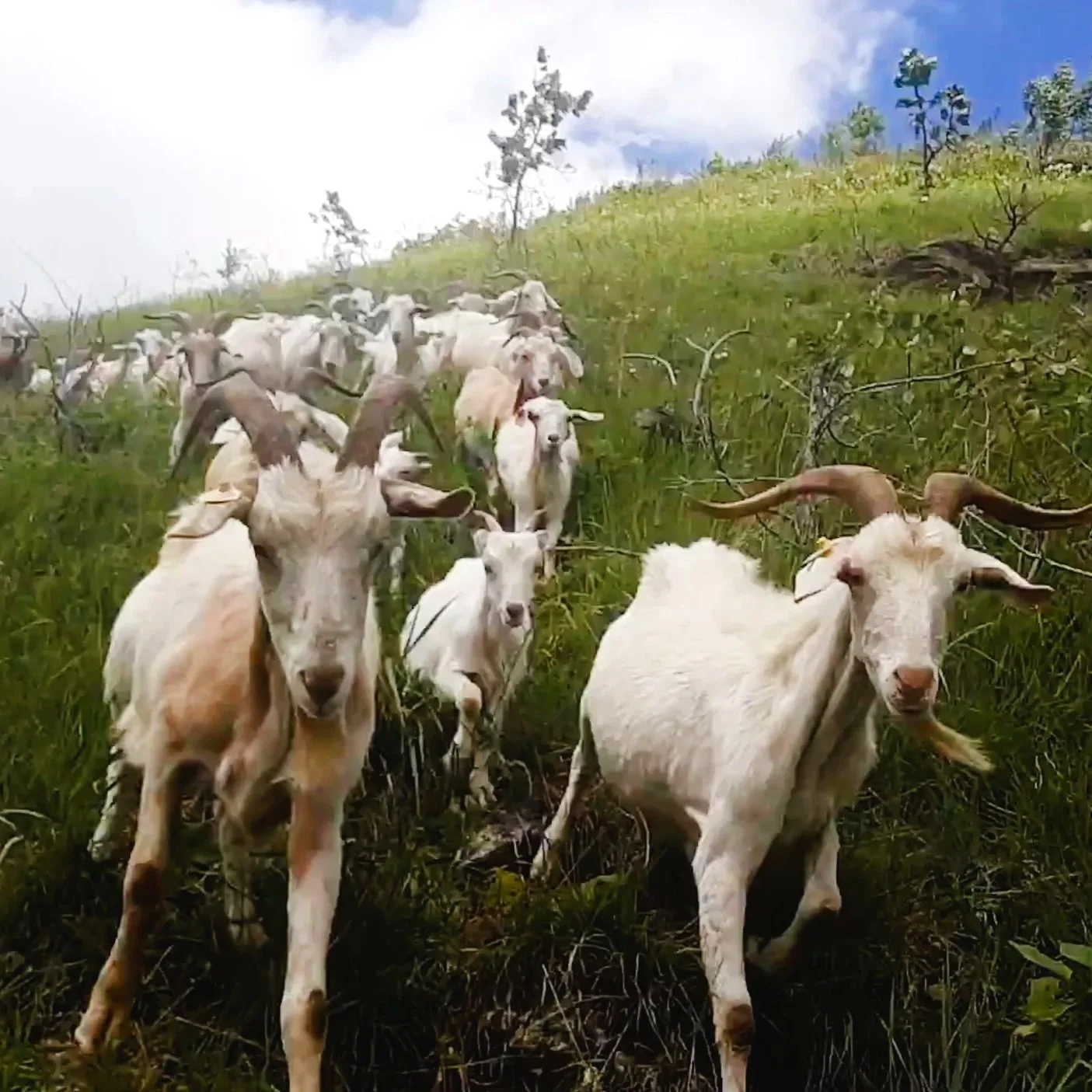
Diversity Landworks has been working in southeast Minnesota since 2013—this is our home ground. Founders Kyle Johnson and Tim Taylor launched the company here, starting with 20 goats and a vision for restoring the region’s native landscapes without chemicals. Today, we bring a herd of more than a thousand specially selected animals to sites across the Driftless, along with deep expertise in the region’s ecology and a full suite of restoration services.
Our approach begins with an ecological assessment of your land—understanding what native communities are present, what’s been lost, and what it will take to bring them back. Then we develop a custom multi-year management plan that may include:
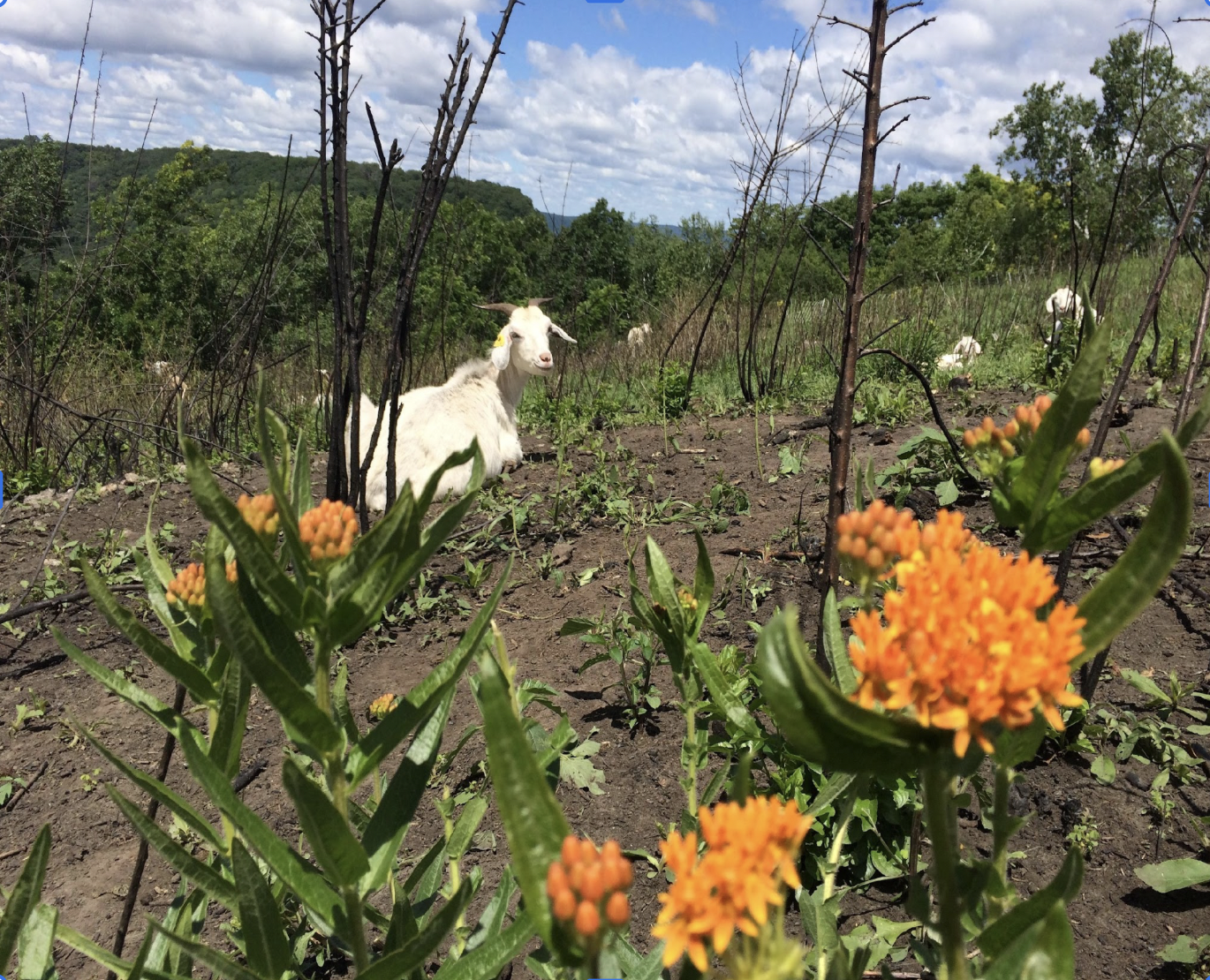
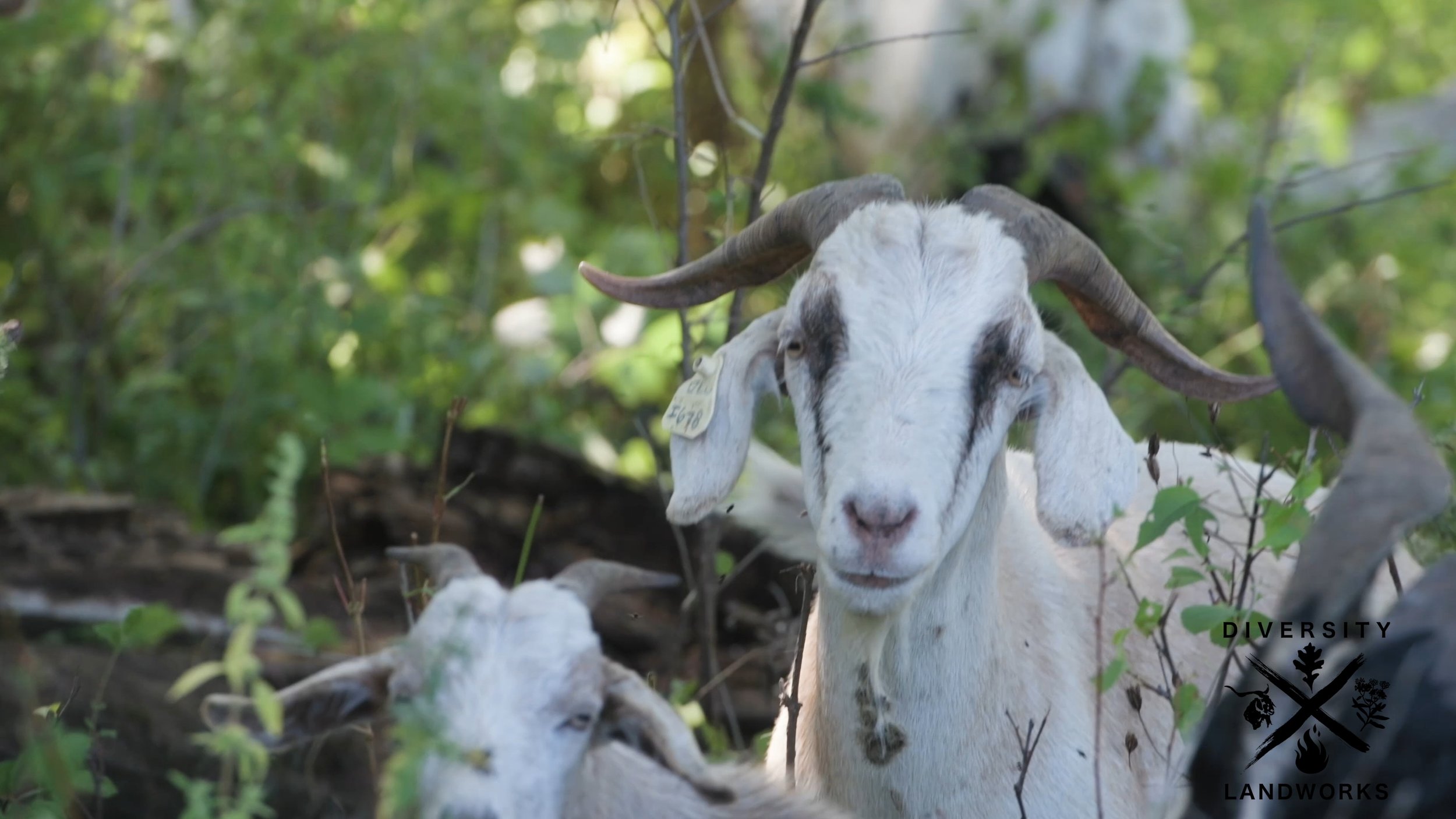
Prescribed goat grazing: Our animals are specially bred and selected for targeted grazing work. They thrive on steep terrain, love to eat buckthorn and other invasive shrubs, and methodically deplete invasive root reserves over multiple seasons—eliminating them rather than just setting them back. Learn more about prescribed goat grazing.
Prescribed fire: Fire is one of the most powerful restoration tools for the Driftless’s oak savannas and prairies. We conduct controlled burns when ecological conditions are right, clearing accumulated brush and stimulating native plant regeneration. Learn more about our prescribed fire practices.
Forestry mowing and mechanical clearing: When brush density is too high for goats alone, our heavy equipment can open up the canopy fast, creating conditions for accelerated grazing follow-through. Learn more about forestry mowing and mechanical clearing.
Ecological assessment and long-term planning: We don’t show up with animals and hope for the best. Every project begins with a thorough site assessment, and we develop a custom multi-year management plan tailored to your land’s specific conditions and goals. Learn more about ecological assessment and long-term planning.
Projects that combine these methods consistently achieve the fastest and most lasting results. Goats alone make a huge difference; goats followed by a well-timed burn can transform a woodland in just a few seasons.
Case Study: River Bend Nature Center, Faribault
After more than four decades of fighting buckthorn with chainsaws, hand-pulling, and herbicide, River Bend Nature Center in Faribault decided it was time to try something different — and called Diversity Landworks. The nature center's Associate Director of Environmental Stewardship noted that research from the University of Minnesota and other sources had convinced them that prescribed goat grazing was worth a serious look. Diversity Landworks brought in its herd of browsers, which targeted the buckthorn's tips, buds, and bark — steadily depleting the plants' root reserves in a way that mechanical removal alone never could. The project has given new momentum to River Bend's long-running restoration work, and it became a local news story that helped introduce more southern Minnesota landowners to the concept of prescribed grazing.
Contact Us
Ready to begin a conversation? Provide some basic information by filling out a short form, or if you prefer, you can contact us by email or phone. Please allow up to one business day for us to respond.
507-556-4420
Serving Southeast Minnesota’s Public and Private Landowners
Diversity Landworks works with the full range of landowners and land managers in southeast Minnesota, from small private woodlots to large conservation parcels. Our clients include:
Private landowners: Rural property owners, hobby farmers, and acreage owners across Winona, Houston, Fillmore, Olmsted, Goodhue, and Wabasha counties who want a chemical-free approach to land restoration.
Conservation organizations: Land trusts and nonprofits working to protect and restore Driftless Area ecosystems.
Public agencies: We have an established partnership with the Minnesota Department of Natural Resources, and we have the experience and capacity to take on large-scale public land projects.
Whether you manage 2 acres or 2,000, we bring the same ecological rigor and long-term commitment to every project. We’re not in the business of quick fixes; we’re here to help your land make a genuine recovery.
a few of the cities we serve…
Twin Cities
Minneapolis
St. Paul
Bloomington
Eden Prairie
Minnetonka
Plymouth
Maple Grove
Edina
Burnsville
Eagan
Apple Valley
Lakeville
Woodbury
Cottage Grove
Stillwater
…and more
Regional Hubs
Rochester
Mankato
Winona
Northfield
Faribault
Owatonna
Austin
Albert Lea
Red Wing
Hastings
Bluff Country
Wabasha
Lake City
Zumbrota
Cannon Falls
Kenyon
Lanesboro
Harmony
Spring Valley
Preston
Caledonia
Houston
La Crescent
See Us in the Field
Watch Kyle and Tim in the field, where they explain how their process mimics nature’s age-old methods for maintaining ecological balance.